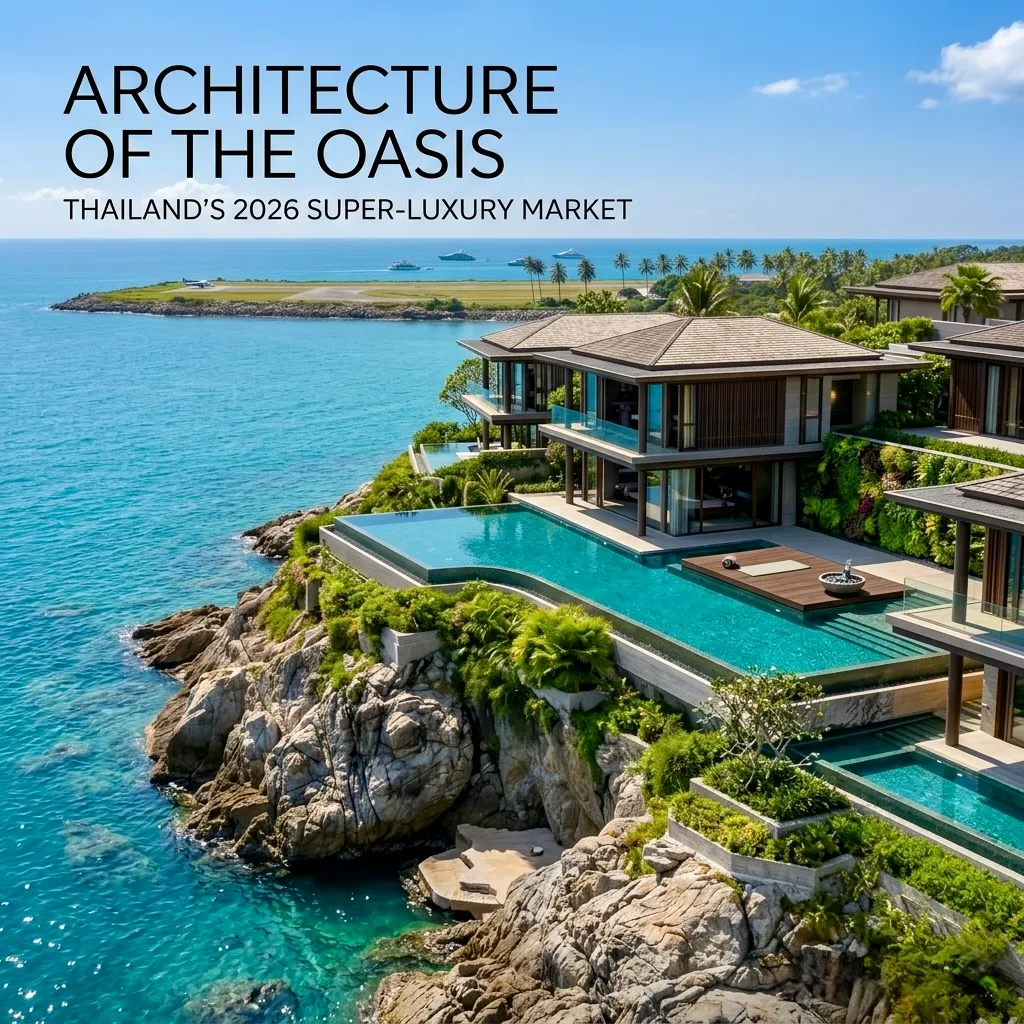
SECTION 1: THE EVOLUTION OF LUXURY HOME AS SANCTUARY
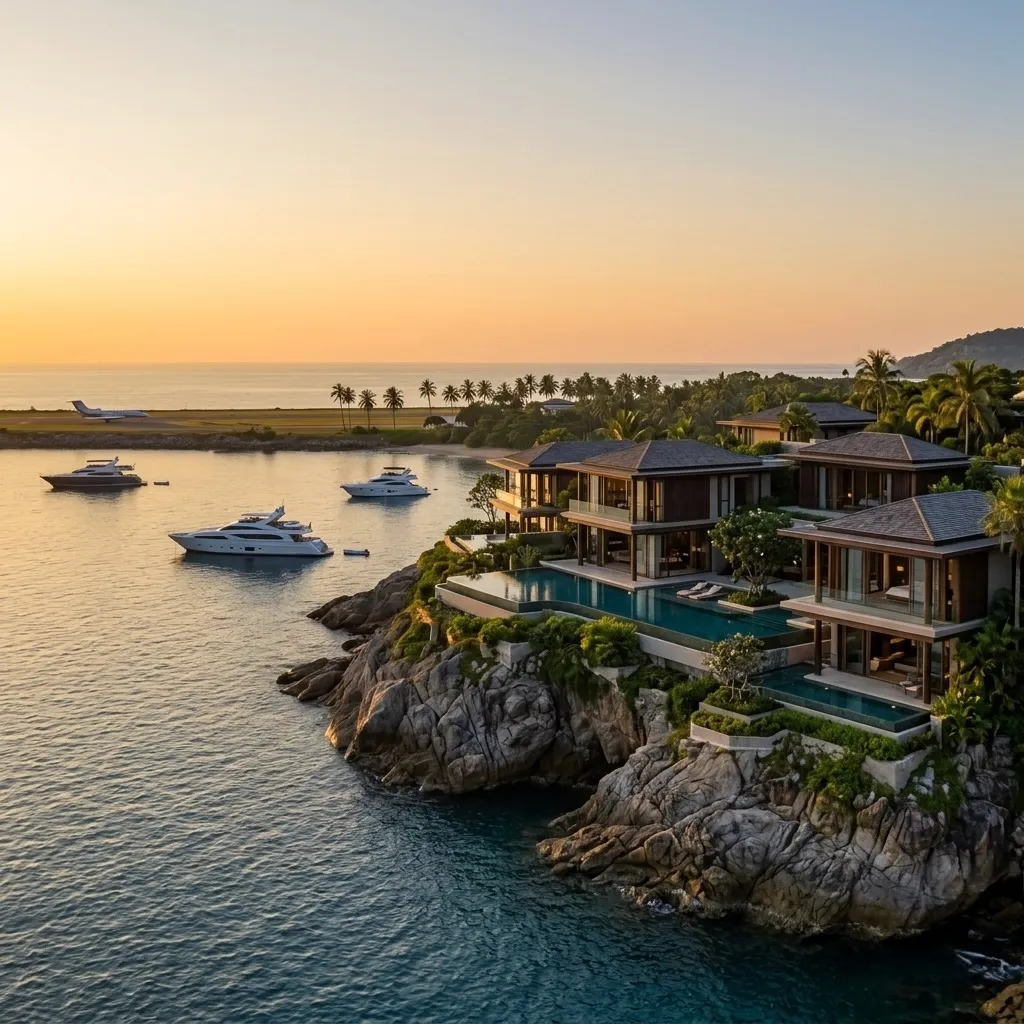
The definition of ultra-luxury residential real estate has shifted permanently away from ostentatious displays of wealth toward the curation of health, privacy, and psychological restoration. In Thailand’s premier real estate developments, high-net-worth buyers are no longer satisfied by gold-leaf lobbies or standard fitness centers. Instead, they look for buildings designed as integrated wellness ecosystems.
The tropical climate of Thailand, paired with urban ecological challenges such as seasonal PM2.5 air pollution in metropolitan Bangkok, has forced forward-thinking developers to pioneer a new architectural movement: Sanctuary Architecture. This discipline blends cutting-edge medical wellness engineering with biophilic design philosophies, transforming luxury condominiums from mere structures into protective living organisms.
SECTION 2: BIOPHILIC DESIGN PRINCIPLES IN HIGH-RISE STRUCTURES
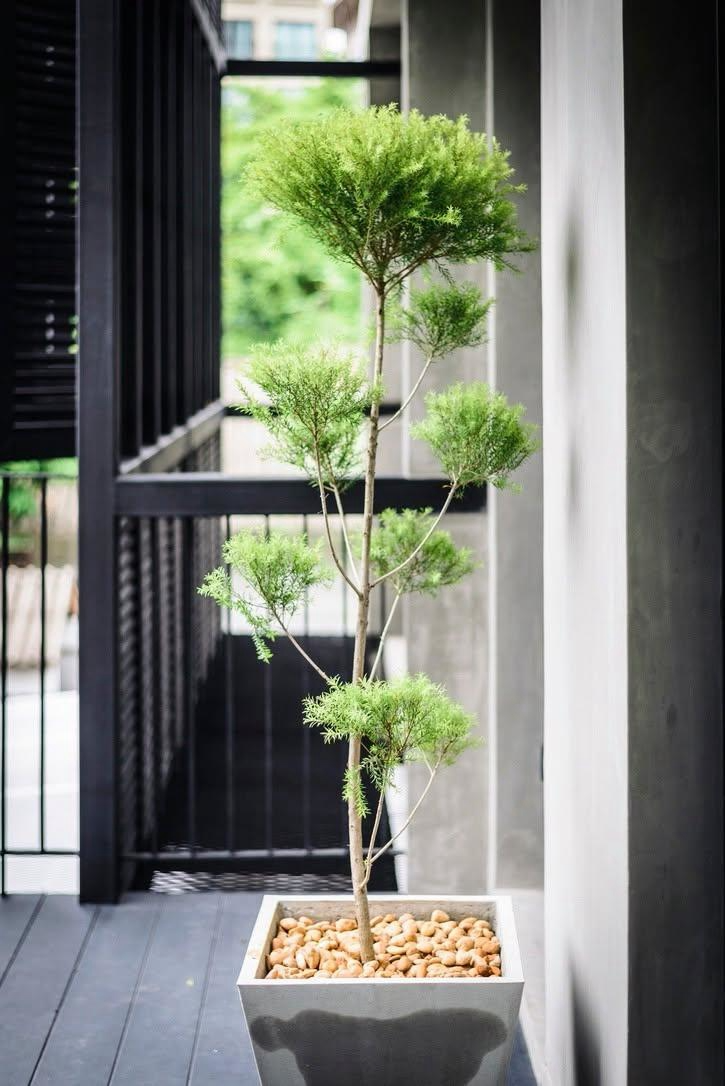
Biophilic design is the strategic integration of natural materials, native flora, natural light, and aquatic elements into the built environment. In super-luxury Thai developments, this manifests not as simple potted balcony plants, but as structural masterstrokes.
Structural Execution Matrix of Biophilic Design
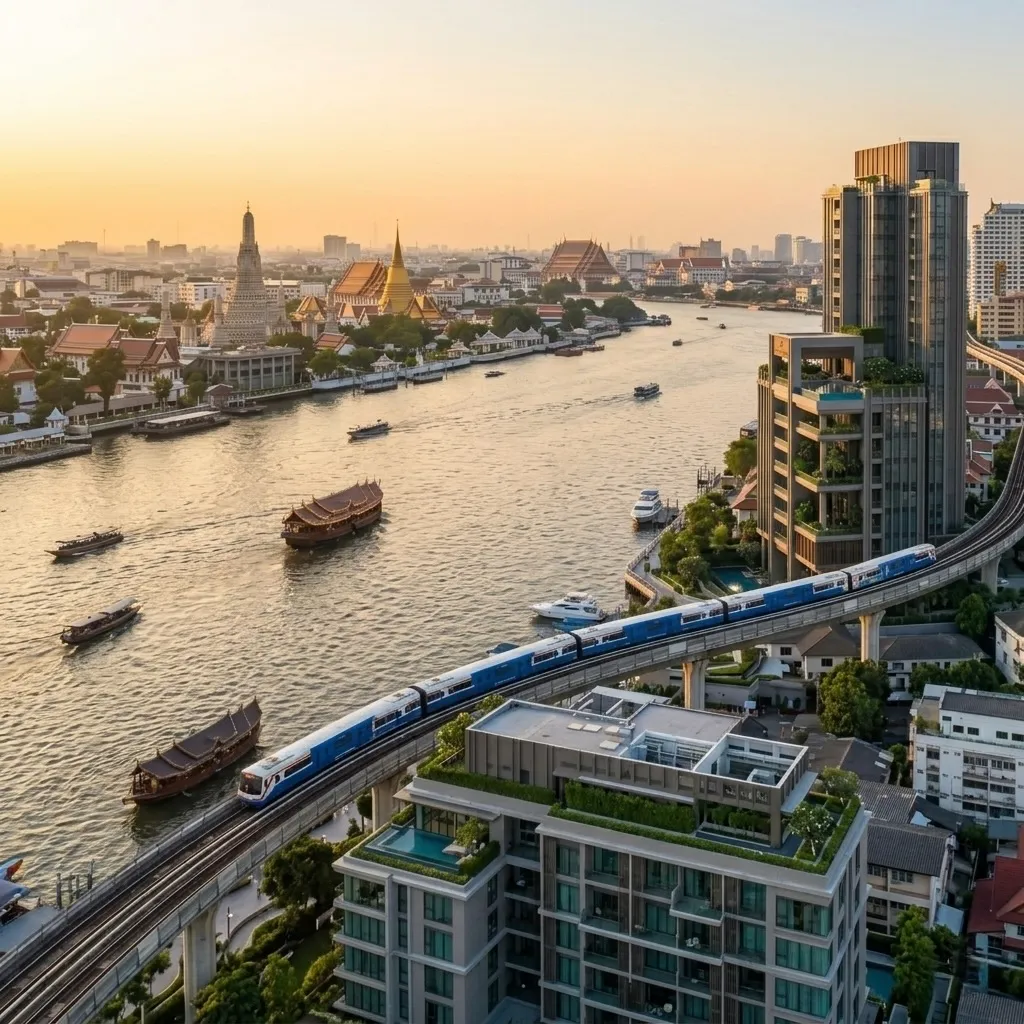
Vertical Forests & Green Facades: High-rise structures wrap their exteriors in living, self-irrigating plant matter. This architectural skin acts as a natural thermal insulator, dropping internal building temperatures by 2°C to 3°C, which significantly reduces HVAC power consumption while filtering ambient dust.
Continuous Visual and Auditory Aquascapes: The integration of cascading water walls, natural stone filtration streams, and perimeter reflective pools uses sound architecture to mask urban street noise, establishing a meditative acoustic baseline inside the residential compound.
Circadian Lighting Arrays: Common spaces and ultra-premium penthouses utilize smart glass systems and internal LED arrays calibrated to mirror the natural shifting spectrum of the sun, reinforcing the healthy sleep-wake cycles of residents.
SECTION 3: DEEP TECH WELLNESS INFRASTRUCTURE
Beyond visual aesthetics, the core value proposition of 2026 super-luxury condominiums lies within their invisible engineering. The mechanical, electrical, and plumbing (MEP) systems of these developments operate at hospital-grade specifications.
Advanced Wellness MEP Specifications Table
System Type | Engineering Implementation | Health & Practical Benefit |
Medical Air Filtration | Positive-pressure HEPA H13/H14 systems integrated directly into centralized HVAC. | Elimination of 99.97% of airborne PM2.5 particles, pollens, and pathogens inside individual units. |
Hydro-Therapeutic Circuits | Custom micro-climate zones featuring thermal saunas, private cold-plunge pools, and mineral onsens. | In-house physical recovery, reduced systemic inflammation, and rapid stress mitigation. |
Acoustic Dampening Layers | Multi-layer acoustic sub-flooring, double-insulated drywall cavities, and triple-glazed low-E glass. | Reduction of ambient urban noise down to less than 30 decibels within sleeping quarters. |
Advanced Water Purifiers | Centralized multi-stage reverse osmosis (RO) filtration systems combined with UV-C sterilization. | Pure, skin-safe, chlorine-free water supplied straight to every shower and faucet in the building. |
SECTION 4: THE LUXURY OF EXCLUSIVITY – LOW UNIT DENSITY CONCEPTS
True luxury cannot exist in a crowded environment. A critical marker of the ultra-luxury tier in Thailand is the structural commitment to exceptionally low unit densities. Developers are intentionally limiting the total number of residences within high-rise footprints to guarantee privacy, reduce wait times for elevator banks, and ensure uninhibited access to common lifestyle amenities.
[MASS MARKET CONDO] ----> 800+ Units per Tower ----> Crowded Amenities / High Noise / Shared Elevators
[PREMIUM LUXURY] -------> 200 - 400 Units per Tower -> Moderate Privacy / Standard Luxury Management
[ULTRA-LUXURY SANCTUARY]-> Fewer than 50 Total Units -> Absolute Seclusion / Private Lift Penthouses
In developments capped at 30 to 50 total residences citywide, every homeowner receives customized property management attention. Private elevator lobbies open directly into individual residential foyers, ensuring that residents can transition from the public street sphere to their private sanctuary without encountering anyone else.
SECTION 5: REAL ESTATE VALUE PRESERVATION AND ESG COMPLIANCE
Integrating comprehensive wellness infrastructure and biophilic engineering increases initial capital expenditure for developers by an estimated 12% to 18%. However, institutional sales data demonstrates that these properties recover this expenditure rapidly through premium market positioning.
Furthermore, ultra-luxury assets that adhere to strict Environmental, Social, and Governance (ESG) frameworks—validated by international accolades such as WELL Building Standard and LEED Gold/Platinum designations—hold their valuation remarkably well during macroeconomic downturns. Global capital funds and family offices are contractually bound to allocate portions of their wealth into ESG-compliant portfolios. By developing properties that meet these global benchmarks, Thai luxury real estate secures access to a highly stable, non-speculative pool of international wealth.
SECTION 6: THE RETREAT LIFESTYLE – THE FINAL VERDICT
The ultimate goal of sanctuary architecture is to simulate a perpetual resort-retreat lifestyle within a hyper-dense metropolis. When a resident steps across the threshold of a modern Thai super-luxury condominium, the chaos of the outside world is instantly neutralized. Through a combination of advanced clean-air technology, natural biophilic beauty, absolute acoustic isolation, and ultra-low resident density, these properties have successfully transformed real estate from a speculative financial asset into a foundational vehicle for longevity and life quality optimization.