SECTION 1: EXECUTIVE SUMMARY & THE SHIFT IN LUXURY PARADIGMS
The luxury real estate landscape in Thailand has undergone a profound structural evolution. High-Net-Worth Individuals (HNWIs) and ultra-high-net-worth institutional investors are no longer evaluating premium real estate solely on the metrics of price per square meter or geographic proximity to central business districts. Instead, the modern affluent buyer demands an ecosystem that guarantees asset preservation, elite lifestyle curation, and flawless operational execution.
This demand has catalyzed the explosive growth of Branded Residences—residential developments seamlessly integrated with world-renowned hospitality brands or luxury fashion houses. By merging the permanence of premium real estate with the white-glove service standards of five-star hospitality legends such as Four Seasons, Mandarin Oriental, Aman, and Banyan Tree, Thailand—particularly Bangkok and Phuket—has established itself as a global epicenter for branded luxury living.
SECTION 2: UNDERSTANDING THE BRANDED RESIDENCES PREMIUM
A branded residence operates on a symbiotic relationship between three core entities: the developer, the luxury brand, and the buyer. For the buyer, the brand acts as a guarantee of quality, design integrity, and perpetual maintenance. This architectural and operational assurance generates a distinct valuation premium over unbranded luxury assets.
Market Premium Valuation Matrix
Metric Category | Unbranded Luxury Condominiums | Branded Luxury Residences |
Average Price Premium | Baseline Market Pricing | 25% to 45% Capital Premium |
Rental Yield Stability | Volatile; dependent on local agency markets | Highly resilient; supported by global brand loyalty programs |
Capital Appreciation Rate | 3%–5% annually in mature hubs | 6.5%–9.5% annually due to scarcity |
Property Management | Standard property juristic committee | 5-Star Hotel Brand Management Team |
Resale Liquidity | Moderate (12–18 months average on market) | High (Often traded via private brand networks) |
SECTION 3: GEOGRAPHIC EPICENTERS – BANGKOK VS. PHUKET
The deployment of branded residences in Thailand is bifurcated into two distinct lifestyle segments: Urban Sophistication (Bangkok) and Resort Sanctuary (Phuket).
1. Bangkok: The Riverside and Urban Corridors
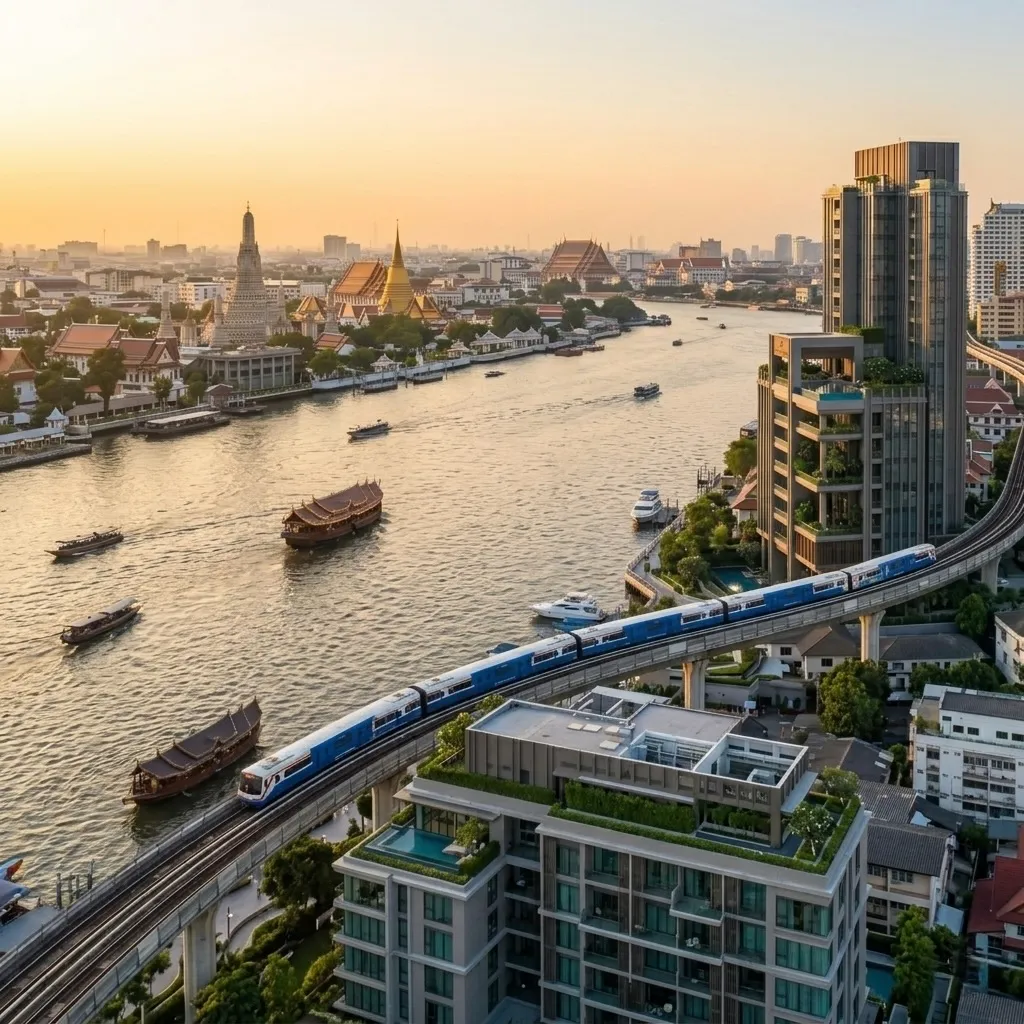
Bangkok’s branded residential footprint is concentrated along the historic Chao Phraya River and the prestigious Sukhumvit/Lumpini micro-markets.
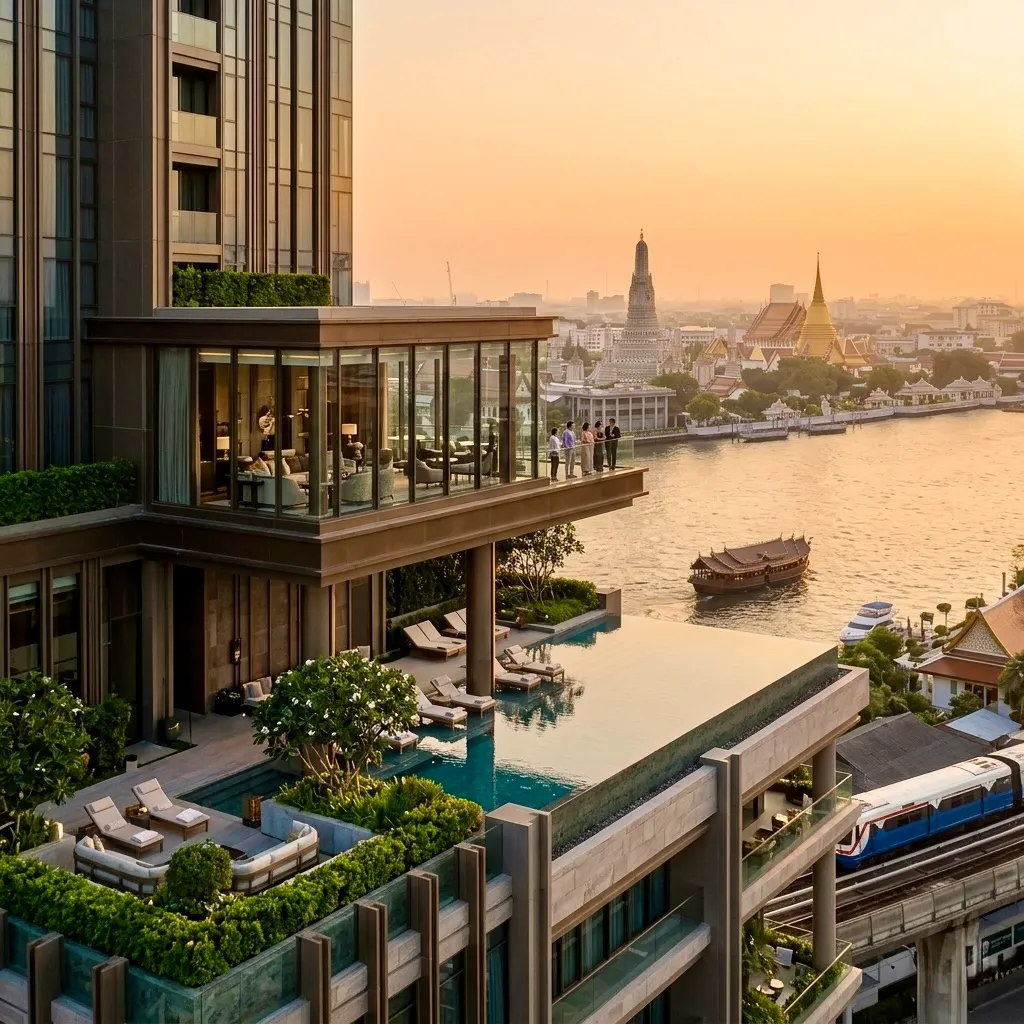
The Riverfront: Properties like the Four Seasons Private Residences Bangkok at Chao Phraya River and The Residences at Mandarin Oriental, Bangkok have redefined the city’s skyline. These locations leverage wide water frontages, private boat piers, and panoramic urban vistas.
The Central Business District (CBD): Urban branded concepts focus on hyper-connectivity and vertical exclusivity, anchoring near Lumpini Park or within integrated mega-projects like One Bangkok.
2. Phuket: The Jet-Set Riviera
Phuket’s market caters to global wealth seeking tax optimization, physical sanctuary, and holiday assets.
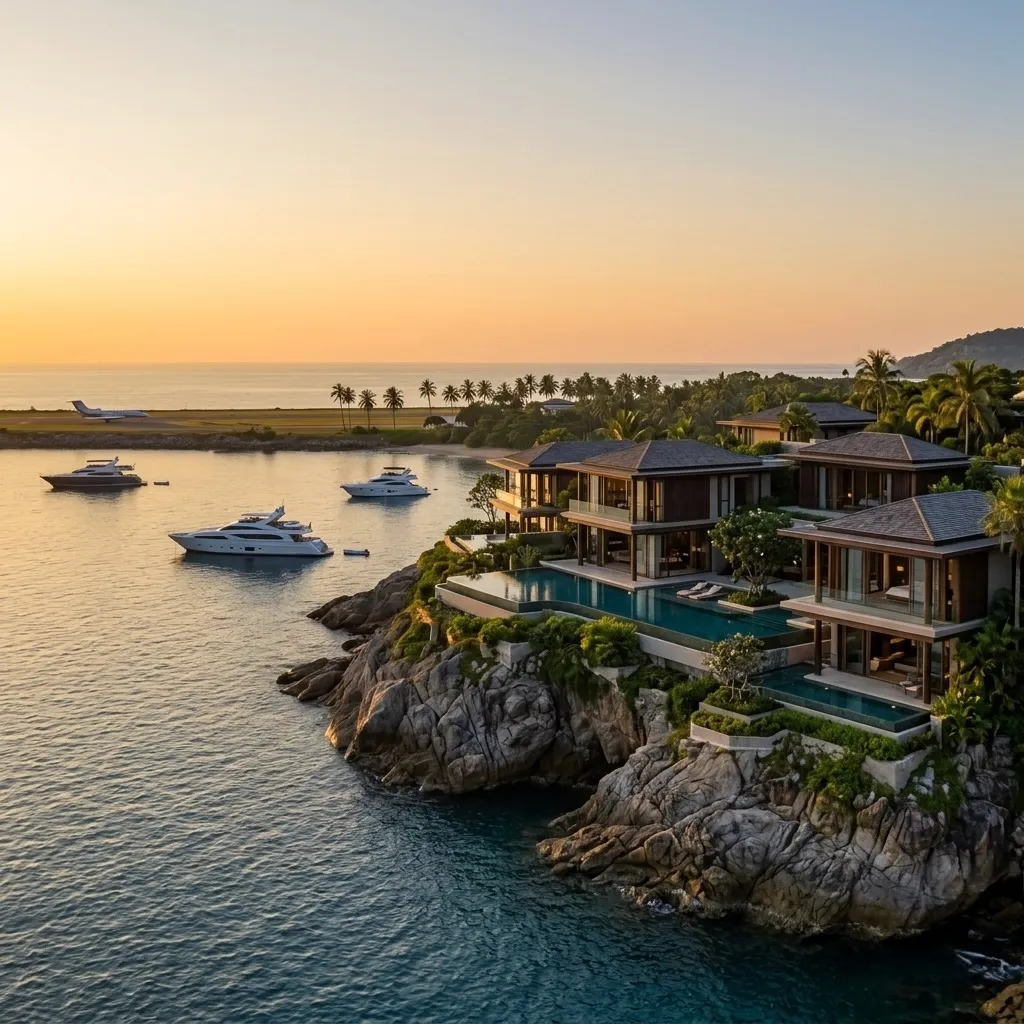
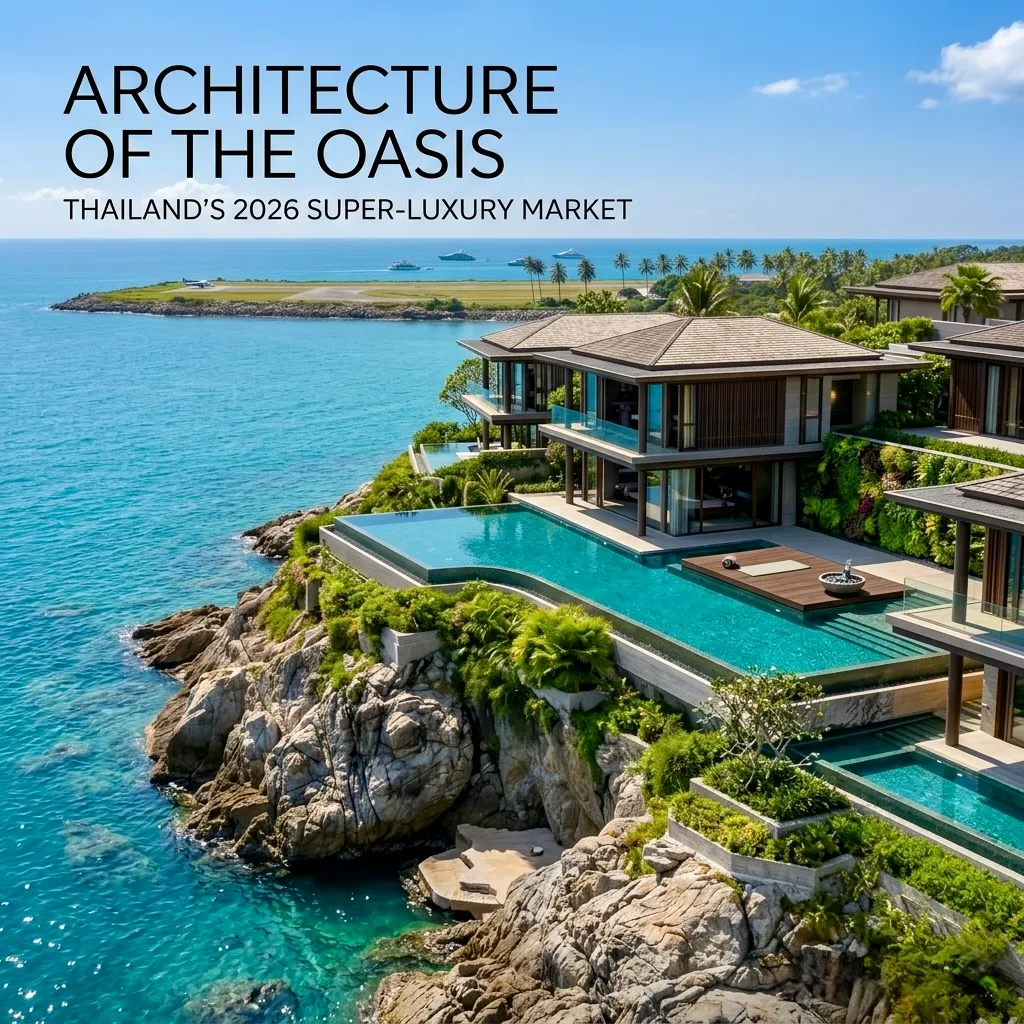
The West Coast (Laguna & Layan): Home to institutions like Amanpuri and newer luxury lifestyle brands, this strip offers low-density, high-privacy villas and low-rise condominiums featuring private infinity pools and private beach club access.
SECTION 4: THE OPERATIONAL ECOSYSTEM & OWNER PERKS
Owning a piece of branded real estate grants the deed holder entry into a highly exclusive operational ecosystem. The services are structurally divided into "Essential Amenities" (covered by common area fees) and "A La Carte Privileges."
Core Services Architecture
Essential Inclusions:
24/7 dedicated concierge and doorman services.
Valet parking and private elevator management.
Asset maintenance (facade cleaning, MEP engineering upkeep, common area landscaping).
High-level security systems featuring biometric access controls.
A La Carte Privileges:
In-residence fine dining helmed by Michelin-starred hotel chefs.
Private housekeeping, laundry, and wardrobe curation.
On-demand spa therapists, private fitness trainers, and wellness coaches.
Global loyalty status recognition (e.g., immediate VIP tier upgrades across the brand’s global hotel network, room discounts, and priority booking).
SECTION 5: INVESTMENT ANALYSIS & GLOBAL WEALTH FLOWS
From an investment architecture standpoint, branded residences mitigate many of the traditional risks associated with cross-border real estate acquisitions. International buyers are highly sensitive to the long-term degradation of physical buildings. The contractual obligation of the hospitality brand to maintain the property to brand-standard specifications ensures that the asset does not depreciate structurally or aesthetically.
Furthermore, changing demographics—specifically the influx of wealth from Europe, East Asia, and the Middle East—have created a highly liquid secondary market. Wealthy individuals looking to deploy capital into Southeast Asia view Thailand as a safe-haven destination due to its robust medical infrastructure, world-class international schools, and favorable long-term visa frameworks (such as the Thailand Privilege Visa).
SECTION 6: FUTURE OUTLOOK & SUSTAINABILITY
As we look toward the future of the luxury property market, sustainability and smart-home integration have ceased to be optional line items. Next-generation branded residences are incorporating LEED and WELL certifications directly into their foundational designs. Features such as centralized energy-efficient cooling systems, automated greywater recycling, and integrated EV-charging infrastructure for luxury electric vehicles are standard. The market is moving toward "conscious luxury," where prestige is measured not just by opulence, but by environmental stewardship and technological intelligence.